
Future Civilization
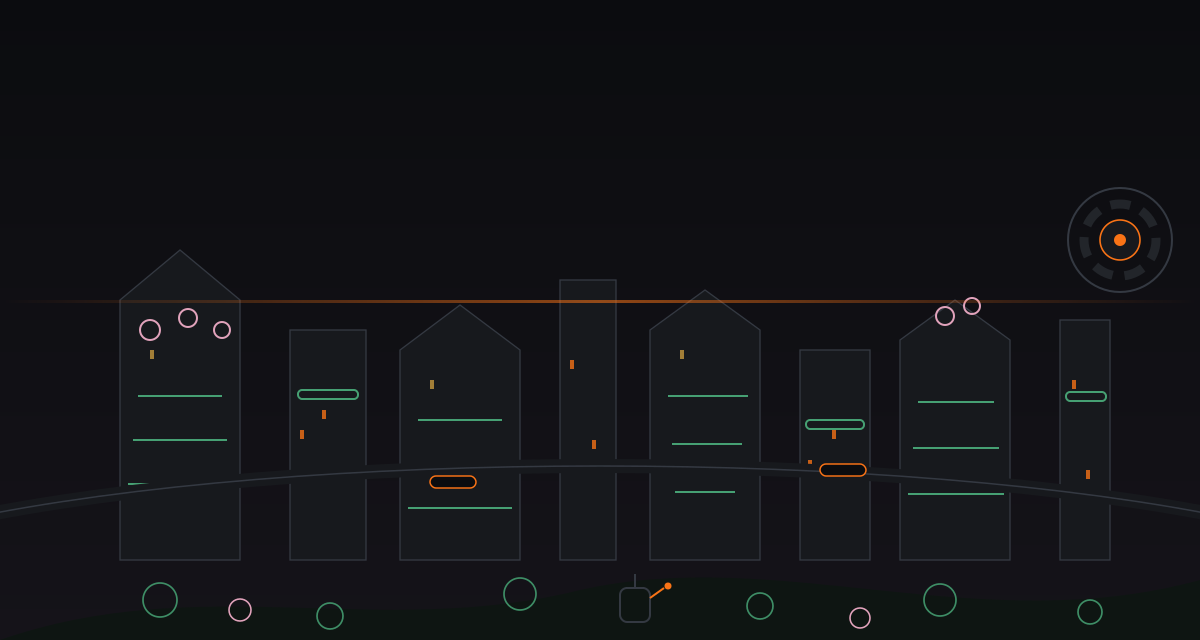
A long-term concept of a technological city. This is a concept, not a description of an existing city or a construction project.
Discipline over neon
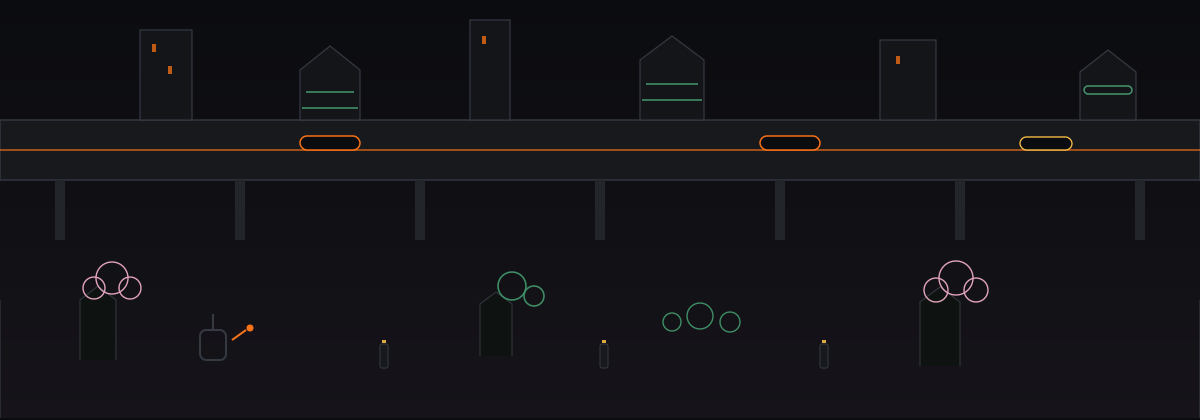
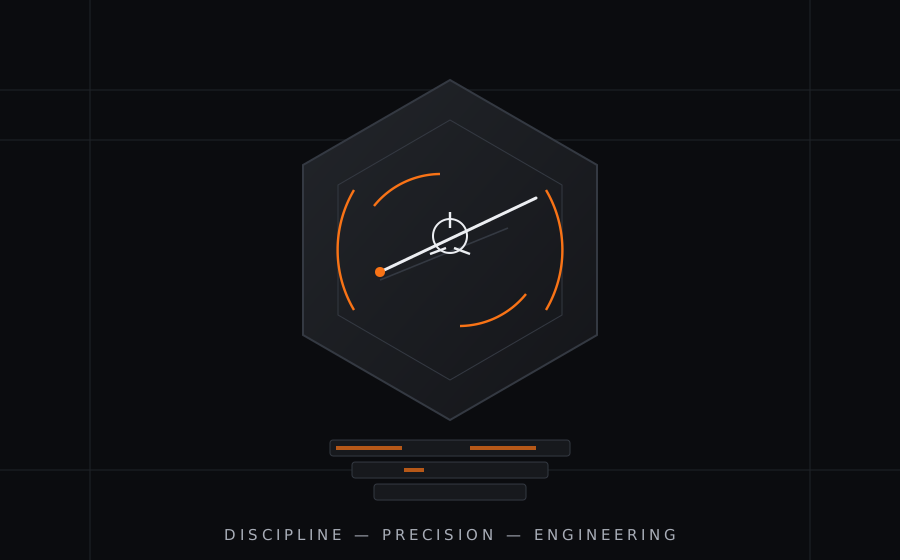
The samurai theme is expressed strictly through geometry and engineering metaphors: lamellar armor as modular panels, the blade line as a transit corridor, the mon as a mark of belonging to a culture. It is the brand code of VI Industries, not characters or scenery.
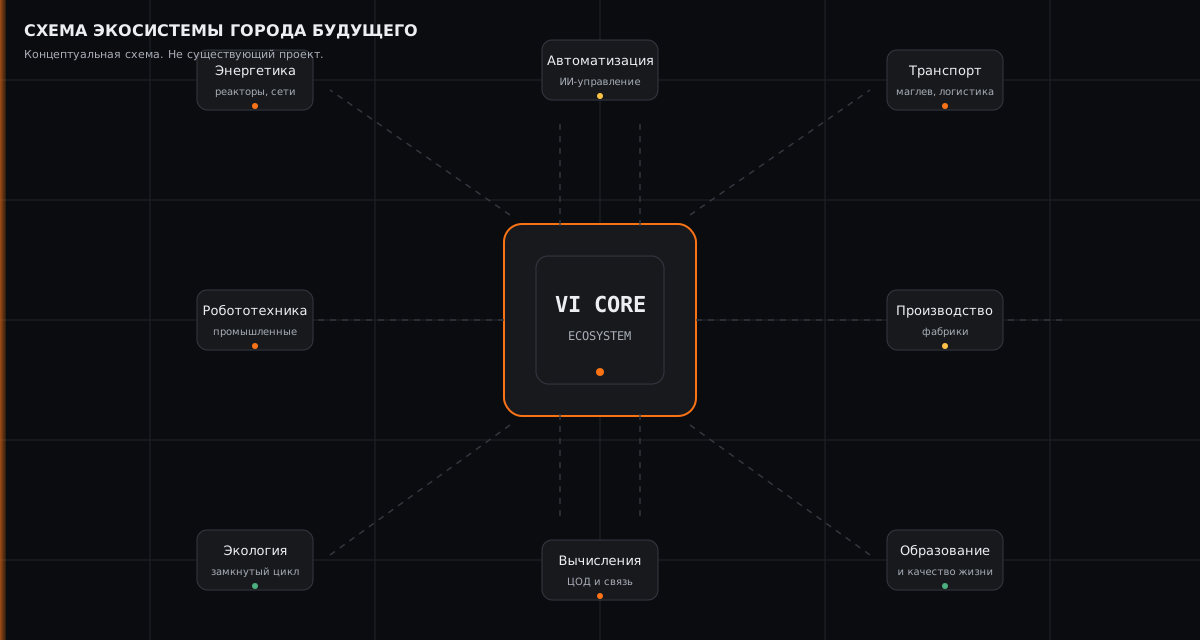
Eight subsystems
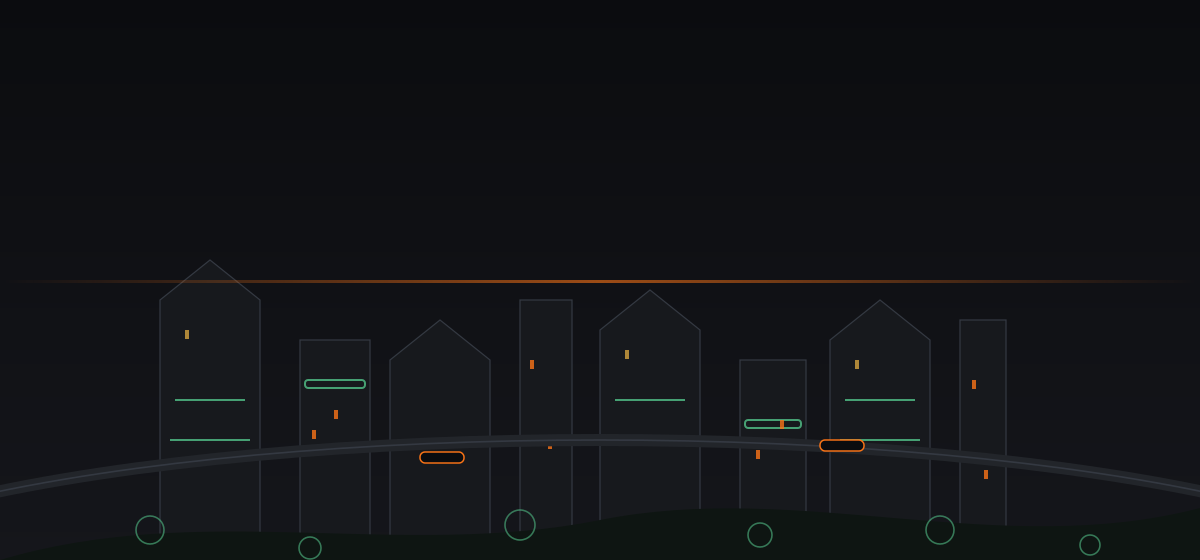
Energy. A future city begins with energy: distributed generation, storage, smart grids, and consumption efficiency as the top priority. Without stable energy the other subsystems are impossible.
Transport. Trunk lines and local rings, automated flow control, logistics with minimal intermediate warehousing.
Automation. Software agents take over planning, monitoring and dispatching of city systems; humans steer rather than perform routine.
Manufacturing. Closed-loop flexible factories: modular lines, additive manufacturing, automated quality control.
Ecological infrastructure. Closed cycles of water and materials, bio-technological filters, green zones as engineered infrastructure, not decoration.
Compute. Data centers and connectivity as the fourth utility, alongside water, heat and transport. Implementation depends on project constraints and needs.
Education. A system built around engineering practice: research, publications and prototypes explicitly interconnected.
Quality of life. The target outcome of every subsystem: predictable infrastructure, affordable energy, fast mobility, healthy environment.
Engineering constraints
The concept honestly states its constraints: resources (energy, water, materials), safety (fault tolerance, cybersecurity of control loops), economics of labor distribution, and ecological cycles. These remain topics of future research, not solved problems.